Is Truth Found in the
Moment or the Memory?
They say youth is wasted on the young, and it would be hard to argue that it’s not true. But honestly, the relevance goes beyond any age-associated commentary. In other words, the significance of any given moment is often lost on anyone, at any age. A more elegant way of putting it would be that the present moment is wasted on those experiencing it. And it’s not the passage of time that makes those moments meaningful; it’s the perspective that history provides. It’s like we can’t truly appreciate a moment until we have something else to compare it to.
Every day, I read about the things people are doing on social media and take note of how beautiful and vibrant life can be. And I’m affected and fascinated, and I think, “Wow, that’s amazing,” with the “a” drawn out (think Professor Jude from Bones). I can appreciate the lived moments of others because I have my own experiences to contrast them with.
Meanwhile, I’m jogging through my life, too fast and too slow at the same time. My dreams and goals are ahead of me, but they’re moving at the same slow-fast pace, and I can never quite reach them. As I sprint to catch up, the present moment picks up speed and leaves me in the dust. And I forget to look at it or think about it until I’m completely out of breath, and because I don’t have the energy to keep running, I stop to admire everything I missed.
I’m sure some of those enriching moments I see documented by others also exist in my own life. One day, I’ll look back and think, “Wow, that was amazing, with the “o” drawn out. But only after the moment is already gone.
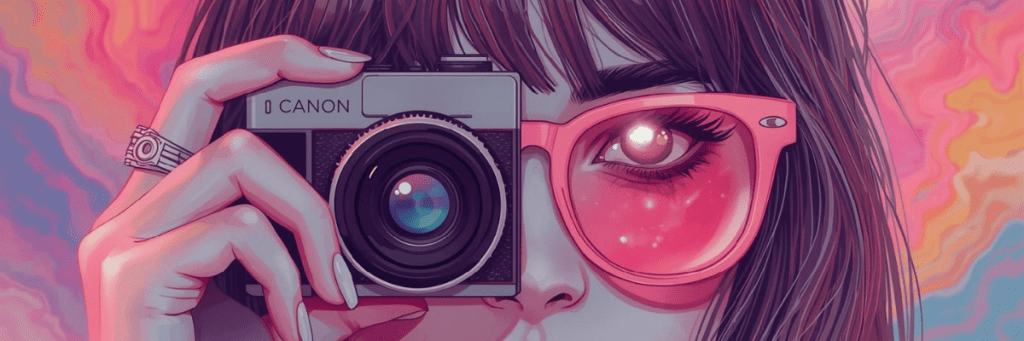
That’s what nostalgia is, right? As the dictionary says, “a sentimental longing or wistful affection for the past, typically for a period or place with happy personal associations.” When people talk about nostalgia, they often reference the “rose-tinted glasses” effect, in which we remember the past with an exaggerated, positive, affectionate attitude that didn’t really exist. It’s a delusion, in a way. And because of this idea of nostalgia being excessive or wrong—a white lie to ourselves, even—we throw it out. Let the past remain in the past, or remember it fondly without putting too much stock in it.
But what if that’s a mistake? What if nostalgia is actually more accurate in nature? What if that moment is only as incredible as nostalgia makes it out to be? Maybe the rose-tinted glasses truthfully embody perspective and, until we put them on, we can’t process it appropriately because the picture is incomplete, lacking the indispensable context from the string of memories taking place before and after.
 Lys Cenna
Leave a comment